Sodium Ligno Sulphonate
Versatile lignin-based dispersant for concrete, drilling, and feed
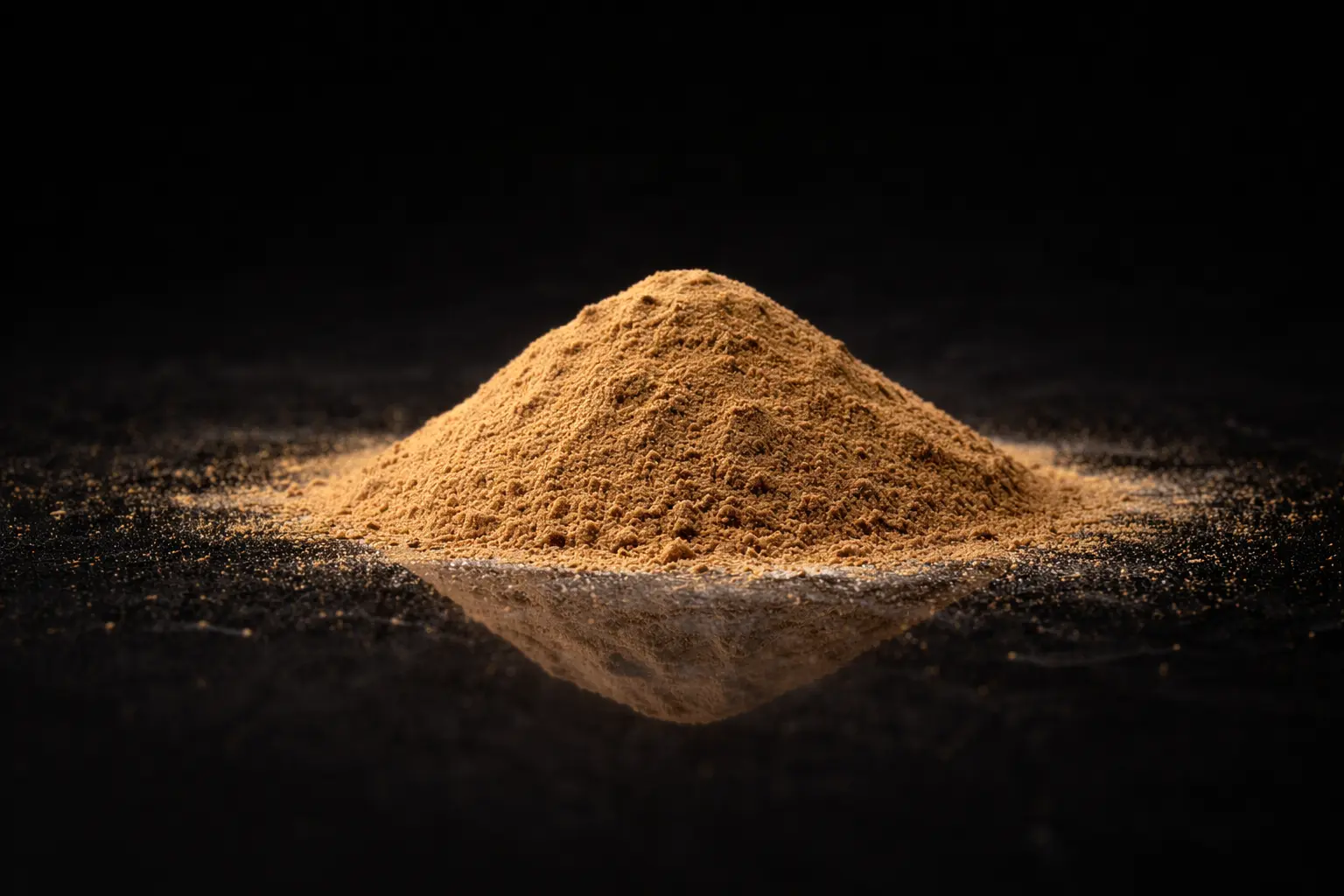
About Sodium Ligno Sulphonate
Sodium Ligno Sulphonate (SLS, CAS 8061-51-6) is a water-soluble anionic polymer derived from lignosulphonic acid as a by-product of the sulphite wood pulp (kraft) process. As one of the most versatile industrial biopolymers, SLS acts as a dispersant, plasticiser, and binder across a wide range of industries. In concrete, it functions as a Type A water-reducing admixture (ASTM C494 / IS 9103), reducing water demand by 5–10% and improving workability without sacrificing strength. In oil and gas, it stabilises drilling mud viscosity and controls fluid loss. In animal feed manufacturing, it binds pellets without nutritional harm. First Chemicals sources SLS from verified Russian manufacturers, ensuring consistent dry basis content, low reducing sugars, and controlled molecular weight distribution suited to each application.
Key Applications
- Concrete water-reducing admixtures (Type A, ASTM C494)
- Oil and gas drilling fluid — viscosity and fluid loss control
- Animal feed pellet binder
- Dust suppression on unpaved roads and mine haul roads
- Ceramic body and glaze dispersant
- Carbon black and pigment dispersion
Typical Specifications
* Specifications are typical values. Actual COA provided with each shipment.
Frequently Asked Questions
What is Sodium Ligno Sulphonate used for?
Sodium Ligno Sulphonate (SLS) is used as a water-reducing admixture in concrete (reduces water demand 5–10%), a dispersant in drilling muds and ceramic glazes, a pellet binder in animal feed, and a dust suppressant on unpaved roads. Its multi-industry utility makes it one of the most widely used industrial biopolymers globally.
Is Sodium Ligno Sulphonate safe for use in animal feed?
Yes. Food/feed-grade Sodium Ligno Sulphonate is recognised as safe as a binder in animal feed pellets at typical inclusion rates of 1–3%. It is a natural, plant-derived polymer. Each batch should be tested for heavy metals and reducing sugars to ensure it meets feed-grade specifications.
What is the difference between Sodium Ligno Sulphonate and Naphthalene Sulfonate (SNF) as concrete admixtures?
Sodium Ligno Sulphonate is a conventional (Type A) water reducer giving 5–10% water reduction, suitable for standard concrete grades. Naphthalene Sulphonate Formaldehyde (SNF) is a high-range water reducer (superplasticizer, Type F/G) giving 15–25% water reduction, used in high-strength and self-compacting concrete. SLS is lower cost; SNF gives higher performance.
What country does First Chemicals source Sodium Ligno Sulphonate from?
First Chemicals sources Sodium Ligno Sulphonate exclusively from verified manufacturers in Russia, which is among the world's largest producers of sulphite pulp-derived lignosulphonates, offering consistent quality and competitive pricing.
What documentation is available for Sodium Ligno Sulphonate?
Each shipment comes with a full Certificate of Analysis (COA) covering dry basis content, reducing sugars, pH, moisture, and sulphonate group content, along with an MSDS and all standard trade documents.